The best museums and galleries of Edinburgh - a member's guide
A curated member's guide to Edinburgh's essential museums and galleries: what to see, when to go and what locals skip.
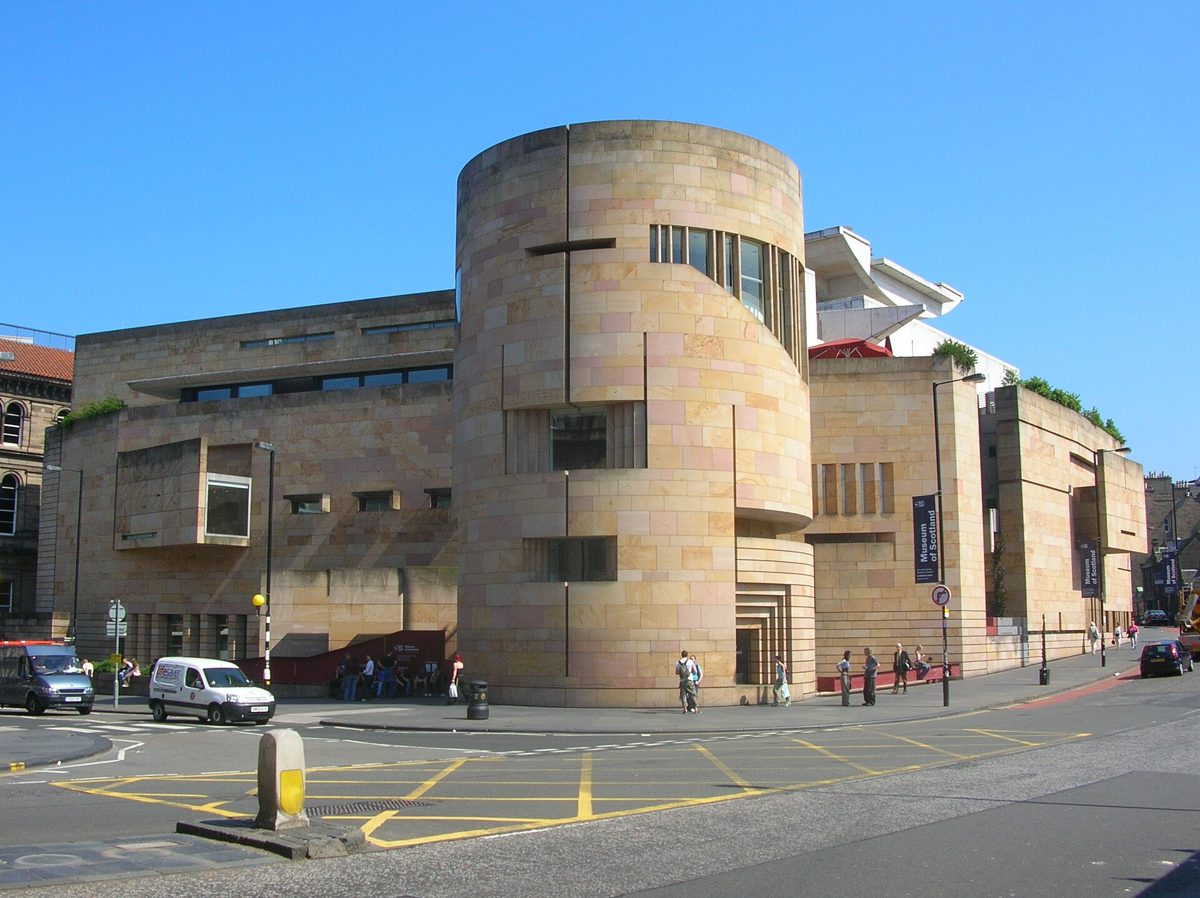
Edinburgh offers a profound cultural experience, a city where centuries of history intertwine with a vibrant contemporary arts scene. For the discerning professional or expat, navigating this rich landscape requires a guide beyond the usual tourist highlights. This resource focuses on the institutions that truly define Edinburgh's cultural identity, providing a knowledgeable overview of their collections and practical advice for a more contemplative visit. From ancient artifacts to modern masterpieces, the city's museums and galleries offer a continuous journey of discovery, far removed from fleeting trends.
National Museum of Scotland
Situated on Chambers Street, the National Museum of Scotland is a cornerstone of the country's cultural heritage, a sprawling complex that seamlessly blends a Victorian architectural marvel with a striking modern extension. Its breadth is remarkable, covering Scottish history, natural history, world cultures, science, and technology.
The Scottish History and Archaeology galleries are particularly compelling, presenting Scotland's story from prehistoric times to the modern era. Here, visitors encounter the iconic Lewis Chessmen, intricately carved walrus ivory pieces dating from the 12th century, which speak volumes about Norse influence and medieval craftsmanship. The galleries also vividly recount the spirited tale of Mary, Queen of Scots, through personal artifacts and detailed explanations of her tumultuous reign. Further sections illuminate the Jacobite risings, featuring relics associated with Bonnie Prince Charlie and the Battle of Culloden, alongside comprehensive displays on the Scottish Enlightenment, highlighting the intellectual contributions of figures like David Hume and Adam Smith. In the Natural World galleries, visitors can explore Scotland's diverse ecosystems and global biodiversity, featuring animal specimens from around the world, including the complete skeleton of a mammoth. The Science and Technology section offers an engaging look at Scottish innovation, famously featuring Dolly the Sheep, the first cloned mammal, and exploring the ethical implications of her creation. Further galleries showcase global cultures, displaying artifacts from ancient Egypt, East Asia, and the Pacific, providing a truly international perspective within a Scottish context.
Practical Notes: Admission to the main collections is free. Special exhibitions may incur a charge. To avoid the busiest times, consider visiting on a weekday morning, shortly after opening at 10 AM, or later in the afternoon, after 3 PM. The museum is vast, so comfortable footwear is advisable, and planning your visit around specific galleries of interest can enhance the experience. Dedicated cafes and a gift shop are available. The rooftop terrace, accessible via the modern extension, offers panoramic views of the city, including Edinburgh Castle and Arthur's Seat, making it a pleasant spot for a break.
Edinburgh Castle
Dominating the city skyline from its perch on Castle Rock, Edinburgh Castle is not merely a historic landmark but a vital repository of Scotland's past. Its significance as a royal residence, military stronghold, and national symbol makes it an essential visit for understanding Scottish identity and its enduring spirit.
Within its ancient walls, visitors can explore several key areas. The Crown Jewels of Scotland, known as the Honours of Scotland, including the Crown, Sceptre, and Sword of State, are displayed alongside the Stone of Destiny, the ancient coronation seat of Scottish monarchs. These regalia, steeped in centuries of tradition, symbolize the nation's sovereignty. St. Margaret's Chapel, dating back to the 12th century, stands as Edinburgh's oldest building, a serene and remarkably preserved example of Romanesque architecture. The National War Museum, located within the castle grounds, traces Scotland's military history through artifacts, uniforms, and personal stories from conflicts ranging from the Jacobite risings to the World Wars. Mons Meg, a colossal 15th-century siege gun gifted to James II, and the Scottish National War Memorial further underscore the castle's military legacy. Every day, except Sundays, the One O'Clock Gun fires from the Half Moon Battery, a tradition dating back to 1861, originally to help ships in the Firth of Forth set their chronometers. Each element contributes to a vivid narrative of power, conflict, and national pride.
Practical Notes: Edinburgh Castle is a paid attraction, and booking tickets online in advance is strongly recommended, especially during peak seasons like summer, Christmas, or the August Fringe Festival, to secure entry and avoid long queues. It is consistently one of Scotland's most visited sites. For a more tranquil experience, aim for the earliest entry slot of the day or a late afternoon visit, approximately two to three hours before closing. Be prepared for significant walking on cobbled paths and some uneven surfaces. Allow at least two to three hours for a comprehensive visit.
Scottish National Gallery
Located prominently on The Mound, the Scottish National Gallery houses Scotland's national collection of fine art, spanning from the early Renaissance to the late 19th century. This institution provides a focused and rewarding exploration of European and Scottish art history.
The gallery's strength lies in its comprehensive collection of Old Masters, featuring seminal works by renowned artists. Visitors can encounter Titian's magnificent "Diana and Actaeon" and "Diana and Callisto," part of the Bridgewater Collection, which demonstrate the Venetian master's command of color and narrative. Velázquez's powerful "An Old Woman Cooking Eggs" offers a glimpse into 17th-century Spanish realism, while Rembrandt's contemplative self-portraits showcase his mastery of light and shadow. The Dutch and Flemish galleries are particularly strong, offering detailed insights into the Golden Age of painting. French Impressionism is represented by significant pieces from artists like Claude Monet's "Haystacks" series, Edgar Degas's ballet dancers, and Paul Gauguin's vibrant Tahitian scenes. A dedicated section showcases Scottish art, with notable works by the celebrated portraitist Sir Henry Raeburn, including his iconic "The Reverend Robert Walker Skating on Duddingston Loch," and Allan Ramsay's elegant portraits of Enlightenment figures like David Hume. The Scottish Colourists, such as Samuel John Peploe and Francis Campbell Boileau Cadell, are also well-represented, illustrating their unique blend of French Post-Impressionist influences with Scottish sensibilities.
Practical Notes: Admission to the permanent collection is free, though special exhibitions are ticketed. The gallery is generally less crowded than the castle, offering a more serene environment for art appreciation. Weekday mornings are typically the quietest. The gallery is accessible via two main entrances: one at Princes Street Gardens and another from The Mound, the latter providing a grand approach. An underground link connects the main gallery to the Royal Scottish Academy building, which often hosts major temporary exhibitions. Allow ample time, ideally two to three hours, to fully appreciate the breadth of the collection.
Scottish National Portrait Gallery
Housed in a magnificent Gothic Revival building on Queen Street, the Scottish National Portrait Gallery is a striking institution dedicated to the likenesses of notable Scots throughout history. It offers a unique window into the social, political, and cultural narratives of the nation through portraiture.
The collection spans centuries, featuring paintings, sculptures, photographs, and drawings of figures who have shaped Scotland. Visitors can encounter portraits of monarchs like Mary, Queen of Scots, alongside Enlightenment thinkers such as David Hume and Adam Smith. The gallery also showcases celebrated artists like Allan Ramsay, writers such as Robert Burns, Sir Walter Scott, and Robert Louis Stevenson, scientists like James Clerk Maxwell, and contemporary personalities, creating a vivid historical tapestry. Significant holdings include works by Scottish artists like Sir Henry Raeburn and David Roberts, capturing the essence of their subjects with characteristic vigor and detail. The photographic collection is extensive, tracing the evolution of portrait photography from its earliest daguerreotypes to modern digital prints, documenting its role in Scottish life and identity. The building itself, designed by Sir Robert Rowand Anderson, with its ornate ceilings and William Hole's murals depicting scenes from Scottish history, is an integral part of the experience, offering architectural splendor alongside artistic display.
Practical Notes: Entry to the main collection is free, with charges for some temporary exhibitions. This gallery is often less frequented than its National Gallery counterpart, making it an excellent choice for a quieter, more intimate cultural experience. Its location slightly north of the main thoroughfare contributes to its tranquil atmosphere. The ground floor often hosts contemporary photographic exhibitions, providing a striking contrast to the historical portraits upstairs. A small cafe offers refreshments.
Scottish National Gallery of Modern Art (Modern One & Modern Two)
Located just west of the city center, the Scottish National Gallery of Modern Art comprises two distinct buildings, Modern One and Modern Two, set amidst extensive parkland and an impressive outdoor sculpture park. These galleries are dedicated to 20th and 21st-century art, offering a dynamic counterpoint to the city's historical collections.
Modern One typically houses the permanent collection, featuring key works by major international artists such as Pablo Picasso's "Woman in a Red Armchair," Henri Matisse, and Joan Miró, alongside significant Scottish artists like Francis Campbell Boileau Cadell and Samuel John Peploe, members of the Scottish Colourists. The gallery explores various movements, including Cubism, Surrealism, Dada, and Pop Art, providing a comprehensive overview of modern art's evolution. Modern Two, located across the road, hosts a mix of temporary exhibitions and works by specific artists, often featuring the output of Scottish sculptor Eduardo Paolozzi, whose reconstructed studio and extensive archive are a highlight, offering insight into his creative process and Pop Art sensibilities. The surrounding grounds, designed by Charles Jencks, feature thought-provoking landforms like the "Cells of Life" and sculptures by artists such as Henry Moore ("Reclining Figure") and Rachel Whiteread, making the outdoor space an integral part of the visit, blurring the lines between art and landscape.
Practical Notes: Admission to the permanent collections is free, with special exhibitions often ticketed. The galleries are a pleasant 15-20 minute walk from the West End or easily accessible by bus (Lothian Bus routes 13, 19, 37, 47 stop nearby). Due to their slightly removed location, they are generally among the quietest of Edinburgh's major cultural institutions, offering ample space for contemplation. Combining a visit to both buildings and the sculpture park can easily fill a half-day, and cafes are available at both sites.
The Queen's Gallery, Palace of Holyroodhouse
Adjacent to the Palace of Holyroodhouse at the foot of the Royal Mile, The Queen's Gallery provides an opportunity to view rotating exhibitions drawn from the vast Royal Collection. This institution offers a focused and often exquisite display of art and artifacts from one of the world's largest and most important private collections.
The exhibitions change regularly, typically every six to twelve months, and are meticulously curated from the extensive holdings of the Royal Collection Trust. These can range from Old Master paintings, drawings, and prints – past exhibitions have featured "Leonardo da Vinci: A Life in Drawing" – to decorative arts, historical costumes, and significant documents related to royal history. Other examples include "Scottish Artists 1750-1900: From Caledonia to the Continent," showcasing Scottish talent, or displays of Faberge eggs and historical photography. The gallery provides a unique chance to see pieces that are usually held in royal residences across the UK, offering a glimpse into centuries of royal patronage and collecting by successive monarchs. The focus is always on high-quality presentation and scholarly interpretation, making each visit a distinct and enriching experience.
Practical Notes: This is a paid attraction, and booking in advance is advisable, particularly if there is a specific exhibition you wish to see. The gallery is generally tranquil, providing a calm environment for appreciating the exhibits. Its compact size means it can be explored thoroughly in an hour or two. A visit to The Queen's Gallery can be conveniently combined with a tour of the Palace of Holyroodhouse itself, which offers further historical context as the official residence of the monarch in Scotland, providing a deeper understanding of royal life and history.
Museum of Edinburgh
Tucked away on the historic Canongate, a part of the Royal Mile, the Museum of Edinburgh offers an intimate journey through the city's social history. Housed in the 16th-century Huntly House, a beautifully preserved merchant's mansion, it is a charming and unpretentious institution dedicated to the everyday life and development of the Scottish capital.
The museum's collections focus on the trades, crafts, and domestic life of Edinburghers from past centuries. Displays cover local industries, such as the famous Edinburgh potteries, and showcase artifacts from prominent citizens and ordinary residents. Visitors can explore period rooms, see antique toys and childhood objects, and view items related to the city's rich literary heritage, including associations with Robert Louis Stevenson and the poet Robert Fergusson. The museum also delves into the lives of historical figures who called Edinburgh home, providing a tangible connection to the city's past through personal effects, historical documents, and archaeological finds. It is a place for discovering the smaller, often overlooked, stories that collectively form the vibrant fabric of Edinburgh's community and development over time.
Practical Notes: Admission is free. This museum is considerably smaller and less crowded than the National Museum of Scotland, making it an ideal choice for a quiet exploration of local history without the throngs. It is often overlooked by tourists, offering a peaceful retreat from the bustling Royal Mile. Allow an hour to an hour and a half for a comprehensive visit. Its location makes it a convenient stop while exploring the lower end of the Royal Mile, near Holyrood Palace, allowing for an easy transition from grand royal history to the lived experience of Edinburgh's citizens.
Frequently asked questions
Is it best to buy tickets in advance for all attractions?
For attractions with an admission fee, such as Edinburgh Castle, The Queen's Gallery, and tours of the Palace of Holyroodhouse, purchasing tickets online in advance is highly recommended. This guarantees your entry, allows you to select specific time slots, and often helps you bypass longer queues, particularly during peak tourist seasons like summer or the festive period. For free institutions, including the National Museum of Scotland, the Scottish National Gallery, and the Scottish National Portrait Gallery, advance booking is generally not required unless you plan to visit a specific ticketed exhibition. However, checking their websites before your visit is always a good practice, as entry requirements and temporary closures can occasionally change.
How does the Fringe Festival impact museum visits?
The Edinburgh Fringe Festival, held annually in August, transforms the city into a vibrant hub of performance and arts. While the permanent museums and galleries remain open, the city's overall atmosphere is significantly busier. Foot traffic around central institutions, especially those near the Royal Mile and Princes Street, increases dramatically due to street performers and large crowds. Some museums may extend their opening hours or host special Fringe-related events and exhibitions. If you plan to visit during August, expect larger crowds, longer queues for cafes and facilities, and potentially less tranquil viewing conditions. It is advisable to factor in extra travel time and consider visiting during early mornings or late afternoons to mitigate the crowds. Accommodation and transport should be booked well in advance if you intend to visit during this period.
Are there any lesser-known cultural gems worth exploring?
Beyond the major institutions, Edinburgh boasts several smaller, distinctive cultural sites that offer unique perspectives. The Surgeons' Hall Museums, located near the National Museum, house fascinating collections related to the history of medicine, including anatomical specimens, surgical instruments, and pathology exhibits, appealing to those with an interest in medical history and ethics. St Cecilia's Hall, part of the University of Edinburgh, is Scotland's oldest purpose-built concert hall and home to a superb collection of historical musical instruments, often hosting intimate concerts and offering guided tours. Dovecot Studios, an operational tapestry studio and art gallery in the Old Town, offers insights into contemporary art and craft, with opportunities to see weavers at work creating large-scale tapestries. The Writers' Museum, tucked away in Makars' Court off the Royal Mile, celebrates the lives of Robert Burns, Sir Walter Scott, and Robert Louis Stevenson through their portraits, manuscripts, and personal belongings. These venues provide a different scale of engagement, often with a more specialized focus, offering a deeper dive into specific aspects of Scottish heritage.
This is an independent member's guide compiled by Edinburgh Society. We are not affiliated with the venues and institutions mentioned; opening arrangements and programmes change - always confirm details on the official websites before making plans.
← Back to Events